![[YMCA of the Cedar Rapids Metro Area LOGO SQ]](https://recliquecore.s3.amazonaws.com/imgs/ymca_logos/named_y/blue_purple.png)
![[YMCA of the Cedar Rapids Metro Area LOGO FULL]](https://reclique-core-cedarrapids.s3.amazonaws.com/wp-content/uploads/2025/06/03063138/ymca_grn_rgb_r.jpg)
Thank you for interest in the YMCA of the Cedar Rapids Metropolitan Area Board of Directors.
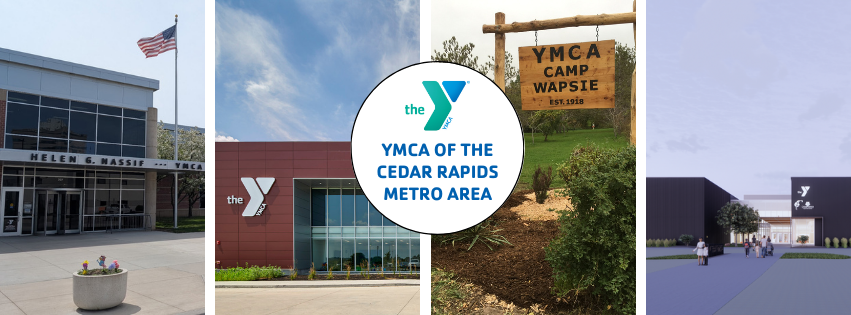
The YMCA of the Cedar Rapids Metropolitan Area is one of the oldest nonprofit organizations in this area. Founded in 1868 our Y has served millions of members and visitors throughout these centuries. The success of the organization is driven by a dedicated staff and a Board of Directors who will steward the mission in the community. We thank you for your interest in serving on the Board and invite you to complete the application below. Before beginning the application, please review some of the duties we feel are critical to carrying out the duties of a YMCA Board member.
Ensure effective planning. Boards must actively participate in an overall strategic planning process and assist in implementing and monitoring the plan’s goals.
Ensure adequate financial resources. One of the board’s foremost responsibilities is to secure adequate on-going financial resources for the organization to fulfill its mission.
Protect assets and provide proper financial oversight. The board must assist in finalizing the annual budget and ensuring that proper financial controls are in place.
Enhance the organization’s public standing. The board should clearly articulate the organization’s mission, accomplishments, and goals to the public and garner support from the community.
Build a competent board. All boards have a responsibility to articulate prerequisites for candidates, orient new members, and periodically and comprehensively evaluate their own performance.
Hire, support and evaluate the Chief Executive Officer. The board should ensure that the chief executive has the moral and professional support he or she needs to further the goals of the organization.
Ensure legal and ethical integrity. The board is ultimately responsible for adherence to legal standards and ethical norms. The Board is also responsible for representing the values of the YMCA to the public.
Board Legal Duties Duty of Care requires leaders to use reasonable care and good judgment in making their decisions on behalf of the interest of the organization.
Duty of Loyalty requires leaders to be faithful to the organization, avoiding conflicts of interest.
Duty of Obedience requires leaders to comply with governing documents (i.e. Bylaws, article of inc., policies, etc.)